

– First, the obvious question for a newcomer: how is life in Hungary? Have you settled into Budapest?
– Very well, thank you. This is my first visit to Hungary, although friends had recommended Budapest as a city worth exploring. I arrived in mid-July and my impressions are extremely positive. One is that it is quieter than Barcelona.
– Moving abroad and discovering a new culture is never easy. Have you lived abroad before?
– This is my first such adventure, and I hope not my last! I come from Villarreal, but lived in Valencia and spent an exchange semester in Coventry in the UK before moving to Barcelona a year ago.
– What are your qualifications?
– I originally studied to become a physical education teacher, gaining broad knowledge that could later support specialisation in a particular sport, such as football.
– Joining La Masia as a youth coach cannot have been easy..
– It was incredibly difficult. A multi-stage selection process gave me the opportunity to join as a professional coach. Training camps and further courses then helped us settle in and prepare for the role.
– Finding common ground with colleagues and players takes time. How did that go, and what were the early challenges?
– Thankfully, there were no problems. Having travelled, lived in England and moved within Spain, I get on well with new people. Everyone here is helpful and considerate. The early challenge was discovering the city, public transport, the training centre and its surroundings. I share accommodation with a colleague who also arrived this summer, so I am not alone. Saying goodbye to family was the hardest part.
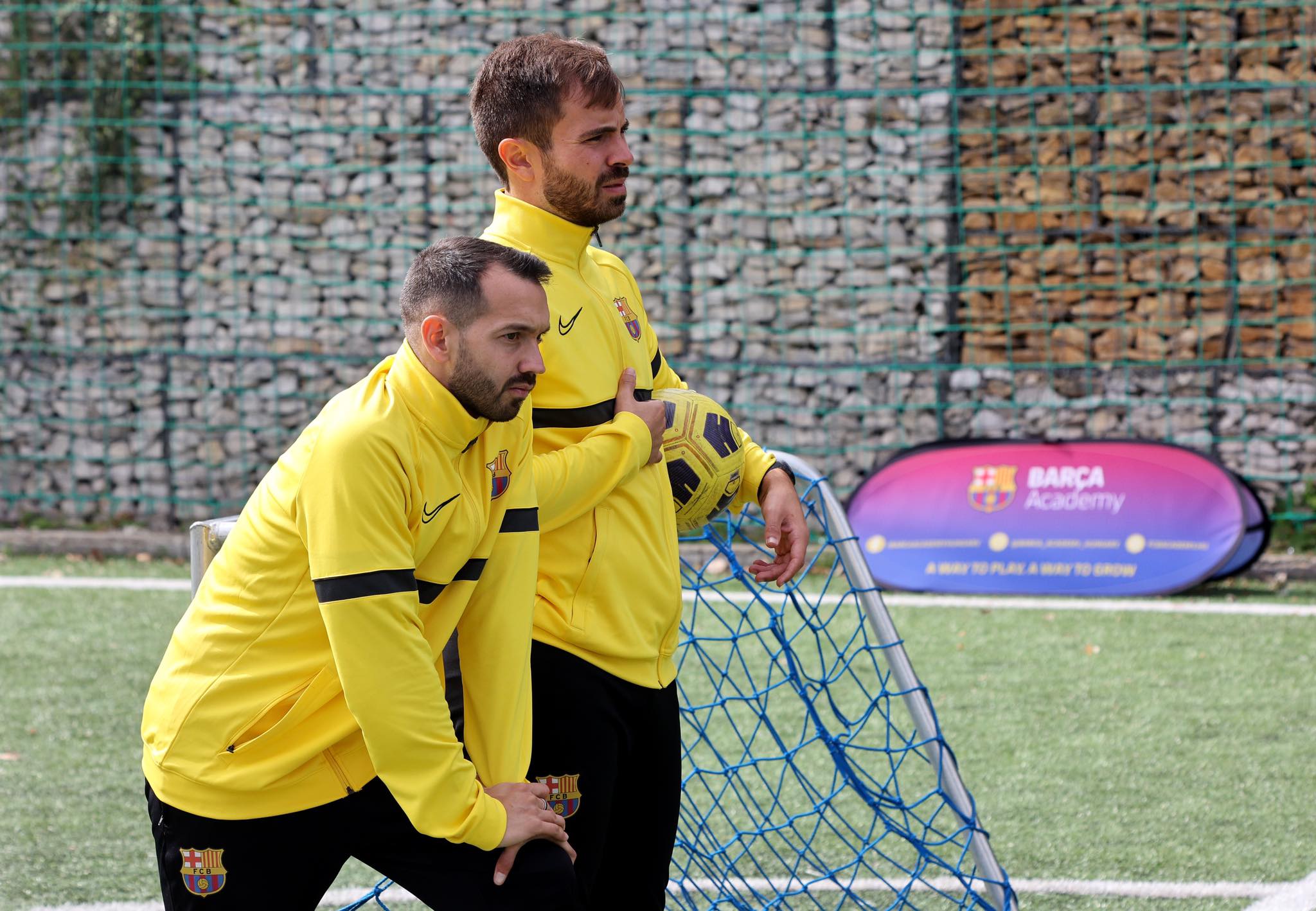
– Barça Academy Hungary is a relatively new project, having begun training only three years ago. What expectations and long-term goals did you bring to Budapest?
– Growth is important: more children need to discover the academy and its model so talented youngsters choose us. For me, the priorities are sharing experience, developing individuals and discovering talent. Having one or at most two teams per age group rather than three or four helps give players enough match time and more individual attention.
– You must also have personal ambitions.
– Of course! My biggest dream is to coach professionally at a La Liga club, and the academy provides an excellent start. I learn from the best and receive useful daily advice from colleagues. At 24, I have my career ahead and want every opportunity to improve. I avoid very long-term plans and set realistic short-term aims, including doing everything possible for the children and bringing out their best.
– When offered the opportunity, you must have considered its advantages and disadvantages. Why did you move, and what appealed most?
– I considered several factors. Budapest’s appeal was one, as I had never visited Hungary. Most important was the opportunity to develop: success requires hard, well-founded work, and the academy and its children offer an excellent environment. I have always wanted to work in sport and feel I am on the right path.
– Coaching is not a conventional nine-to-five job. Training is usually in the afternoons and evenings, with weekend matches. What is a typical day like?
– I usually start with a run or the gym, then plan training and analyse matches through the morning. After lunch, I head to the pitch early to arrive before the boys. I generally coach until 19:00 and have two league matches at weekends. But life is not all football: I enjoy dinner with colleagues and make time to rest. Barça matches are essential viewing, and sometimes a Hungarian top-flight game is part of my leisure time too.
– Alongside the 2007s, you coach the 2011 team. How is your relationship with the boys? Did they accept you easily?
– Absolutely. Settling in was easy. I have begun learning Hungarian to help communication, though it is difficult. I mostly speak English with the 2007 players; among the younger ones, a few help interpret. Understanding Hungarian is a goal and part of my development.
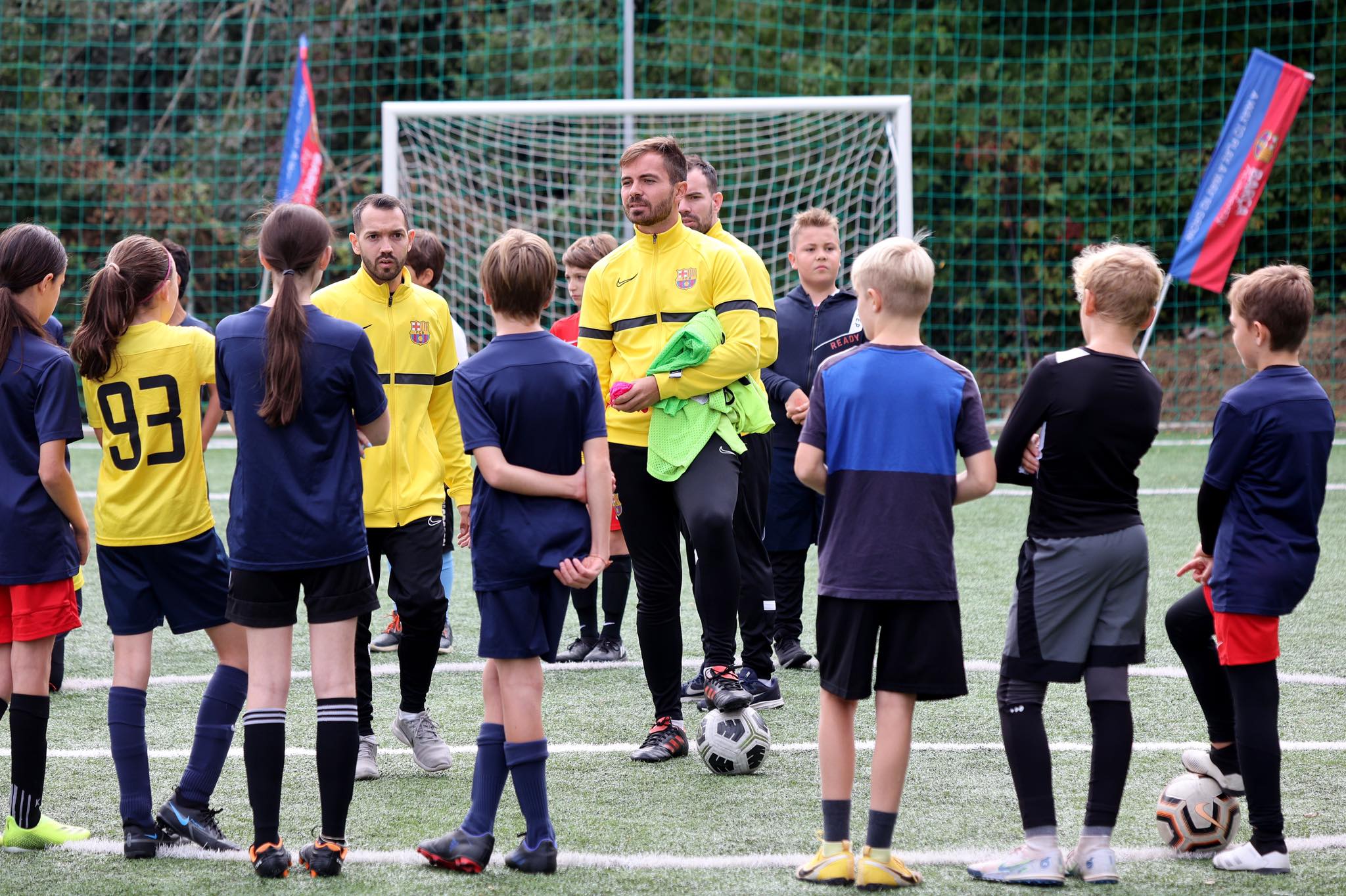
– Alongside winning, developing individual skills can help children become professionals. Do you see players with bright futures?
– Winning matters, and so does the boys enjoying themselves. If they arrive happy, motivating them and explaining tasks becomes easier, improving their chance of success. Every player has potential, although some stand out, just as at the world’s best senior teams. I ask for patience: good work takes time, and I believe results will vindicate us.
– How do you motivate players and support them beyond tactics, including advice about sleep and nutrition?
– I do not give long motivational speeches. We discuss tactics and experiences before and after matches, but I avoid overloading training. Players know their tasks; I assign roles and instructions. Some need more support, which is precisely my job. I happily advise anyone who asks. Stretching is central to training because it supports muscle recovery. School limits rest time, and maintaining a good diet is difficult in a world of fast food. I ask them to be mindful rather than prescribing two bananas a day. Most importantly, they should feel cared for and supported and work hard towards their goals.
– Speaking of food, have you tried Hungarian cuisine? Is there a dish you would take home to the Spanish coast?
– Of course: colleagues and I often eat out. The soups are delicious and distinctive, especially goulash, which is addictive! My first experience was at the Barça Roadshow in Ajka soon after arriving in summer. Every day brought something different, served hot, which felt unusual in 35-degree heat. It will be even better in winter!
Bartha Kristóf